
Hualong District, Puyang City, Henan Province, China
+8618864448123
angel@dingshengchemical.com
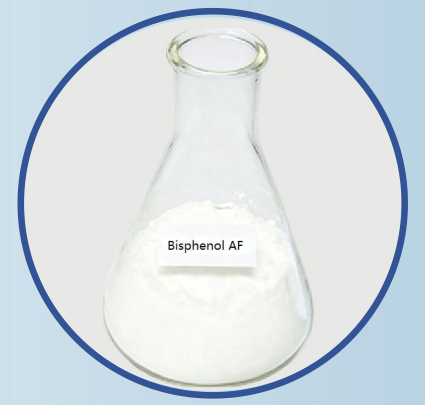
Bisphenol AF (BPA), systematic chemical name 2,2-bis(4-hydroxyphenyl)propane, CAS No.: 80-05-7, molecular formula C₁₅H₁₆O₂, is one of the world’s important bulk organic chemical monomers, mainly used for synthesizing high-performance polymer materials.
Its core feature can be summarized as aromatic characteristics of "two phenol groups and one ketone structure". It has the general properties of phenolic compounds and exhibits specific reactivity due to its two phenolic hydroxyl groups.
1. Acidity, Alkalinity and Salt-forming Property: It is weakly acidic (characteristic of phenolic hydroxyl groups) and can react with strong bases such as sodium hydroxide to form water-soluble phenoxide salts.
2. Color Reaction: It develops a characteristic blue-violet color when exposed to ferric chloride ethanol solution.
3. Core Chemical Reactions (Polymerization): This accounts for its most important industrial value.
(1) Condensation polymerization with epichlorohydrin to produce epoxy resins (used for coatings and adhesives).
(2) Condensation polymerization with phosgene or diphenyl carbonate to produce polycarbonate (PC) plastics.
4. Stability and Degradation: Chemically stable at normal temperature and pressure with good heat resistance (decomposition temperature approx. 260°C). However, it degrades slowly under intense UV irradiation. Incomplete incineration may release carbon monoxide, carbon dioxide and toxic phenolic gases.
5. Substitution Reaction: Hydrogen atoms at ortho and para positions of phenolic hydroxyl groups are relatively active and prone to electrophilic substitution reactions such as halogenation (e.g. bromination) and nitration.
6. Water Solubility: It is practically insoluble in water, but its solubility increases significantly after forming salts under alkaline conditions.
Incompatible Substances: Long-term mixed storage with strong oxidants and concentrated strong bases shall be avoided to prevent deterioration. Mixing with strong reducing agents and strong acids is also not recommended to prevent decomposition of certain derivatives such as BDP.
Bisphenol A (BPA) has a very wide range of applications. Approximately 90% of its global output is used to produce the following two major core materials.
1. Polycarbonate (PC) Plastics (accounting for about 65%): Utilized for its high transparency, impact resistance and heat resistance. Commonly used in daily containers (space cups, baby bottles, water bucket), optical media (CD/VCD discs, spectacle lenses), electrical and electronic products (mobile phone housings, sockets, LED lamp covers) and medical equipment (dialyzer housings, surgical tool handles).
2. Epoxy Resin (accounting for about 30%): Adopted for its excellent anti-corrosion and adhesive properties. Mainly used as inner coating for food cans (to prevent metal rust and food contamination), industrial protective coatings (marine and automotive primers), packaging materials for electronic components (chip insulating layers) and adhesives (floor adhesives, structural adhesives).
In addition to the above two core applications, Bisphenol A also serves many other fields (about 5%):
1. Color developer for thermal paper: It develops text on supermarket receipts and ATM slips.
2. Polyester resin additive: Used to improve the performance of rubber or PVC hoses.
3. Synthetic auxiliary materials: Raw material for flame retardants (such as tetrabromobisphenol A) or PVC stabilizers.
1.Temperature Control: Store in a cool and well-ventilated warehouse, with temperature generally required below 30℃. High temperature may cause softening and caking, and even release harmful gases. 2.Environmental Requirements: Strictly prevent moisture and water exposure. Keep separately from oxidants, acids, food and feed. 3.Packaging Method: Lined with polyethylene plastic bags and sealed with woven bags or fiber drums on the outer layer to prevent dust dispersion. 4.Stacking Restriction: There is a limit on stacking height (usually no more than 8 bags) to avoid package damage caused by extrusion.
1.Qualification and Classification: Transported as toxic solid (Class 6.1 dangerous goods). Vehicles shall hold dangerous goods transportation qualifications and be equipped with rainproof tarpaulins. 2.Incompatible Materials: Mixed loading with oxidants and acids is strictly prohibited to avoid reactions. 3.Loading and Unloading Operations: Handle with care. Goods with damaged packages or non-compliant labels are forbidden for loading.
Get a customized quote for your specific requirements. Our technical team will respond within 24 hours with pricing, availability, and formulation options.
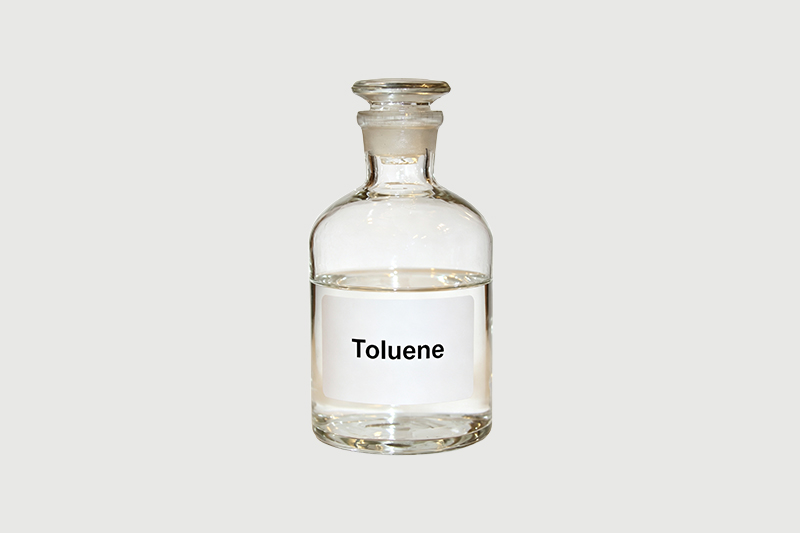
Toluene is a major basic chemical raw material; it is widely used as an industrial solvent and as a chemical intermediate for further processing, and also serves as a blending component for gasoline.
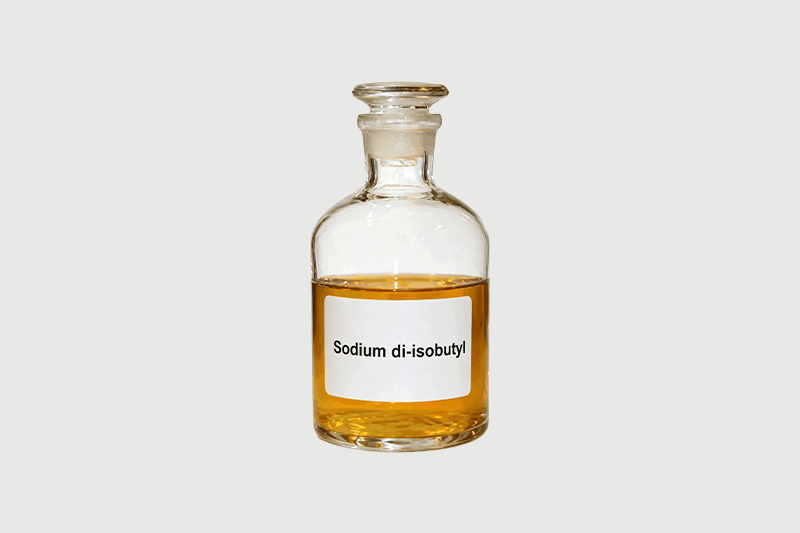
Sodium isobutyl dithiophosphate is a highly efficient collector widely used in the flotation of non-ferrous and precious metal sulfide ores.
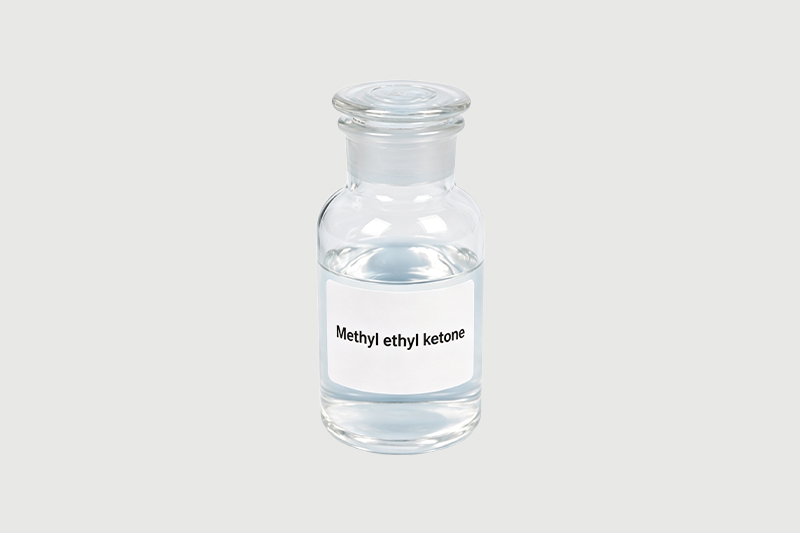
It is a polar organic solvent of the ketone family, serving as a highly important industrial polar solvent and also used as an intermediate in organic synthesis.
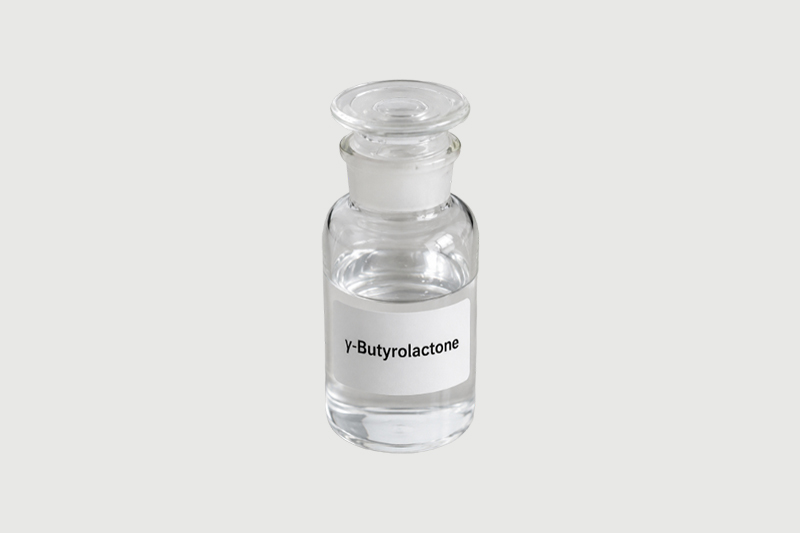
It is subject to strict control because it can be converted into gamma-hydroxybutyric acid (GHB) in the human body.