
Hualong District, Puyang City, Henan Province, China
+8618864448123
angel@dingshengchemical.com
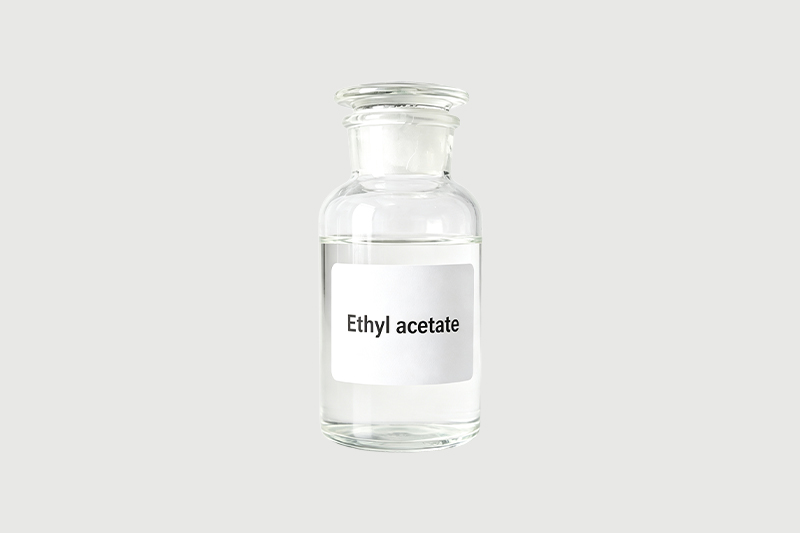
Ethyl acetate, also known as acetic ester, CAS No.: 141-78-6, molecular formula C₄H₈O₂. It is an ester organic compound containing the -COOR- functional group (with a double bond between carbon and oxygen), and is a widely used organic compound.
1. Hydrolysis Reaction (Most Important Chemical Property): It reacts with water under acid or base catalysis to reversibly produce acetic acid and ethanol. Alkaline hydrolysis (saponification) is irreversible and is commonly used in industry to decompose waste solvents.
2. Alcoholysis and Transesterification: Reacts with another alcohol under acid/base catalysis to form new ester and new alcohol, serving as an important route for industrial synthesis of other esters.
3. Claisen Condensation: Under the action of strong bases (such as sodium ethoxide), intermolecular condensation occurs to generate ethyl acetoacetate, a very important intermediate in organic synthesis.
4. Reduction Reaction: It can be reduced to ethanol by strong reducing agents (such as lithium aluminum hydride); catalytic hydrogenation produces ethanol and a small amount of methanol.
5. Pyrolysis Reaction: Dehydration and decomposition occur at high temperature (about 400–500℃) to form ethylene and acetic acid, which can be used to prepare ethylene in laboratories.
6. Stability and Compatibility: Chemically stable at room temperature, but it will slowly absorb moisture and hydrolyze upon exposure to water. It is neutral (pH≈7) and has weak corrosivity to metals.
Incompatible Substances: Contact with strong oxidants (such as nitric acid and potassium permanganate) is strictly prohibited to avoid fire and explosion risks. Strong acid or strong alkaline environments should also be prevented to avoid decomposition.
Ethyl acetate is an excellent fast-drying solvent as well as an important raw material for organic synthesis. It has a wide range of applications across many industries including industry, daily chemicals, pharmaceuticals and food.
Coatings, Inks and Adhesives: As an efficient solvent, it is used in paints, varnishes and enamels. It is also a key component in the production of inks, adhesives and artificial leather.
Chemical Analysis and Laboratory (High-purity Reagent):
Extraction and Purification: Separate and purify analytes from complex matrices such as biological fluids and environmental samples. Its low boiling point allows easy evaporation for analyte recovery.
Chromatographic Analysis: Used as the mobile phase for thin-layer chromatography (TLC), high performance liquid chromatography (HPLC) and gas chromatography (GC).
Reference Materials: Used as reference standards for analytical testing and quality control in the pharmaceutical industry, and for calibrating analytical instruments.
Others: Applied for the detection of bismuth, gold, iron, mercury and other substances, as well as protein sequencing and the synthesis of peptides and oligonucleotides.
Pharmaceuticals and Biotechnology: Used for the extraction and purification of active pharmaceutical ingredients and the synthesis of pharmaceutical intermediates such as vitamin E; also used for protein sequencing and synthesis of peptides and oligonucleotides.
Food, Flavors and Fragrances: Used as an edible flavoring to formulate fruit and wine essences. It also acts as an extractant for decaffeination of coffee and tea.
Cleaning and Daily Chemicals: Used as a cleaning agent for textiles and printed circuit boards; applied in nail polish removers and daily chemical products such as perfumes and fragrances.
Chemical Raw Materials and Other Uses:
Synthetic Intermediates: Used to synthesize dyes, medicines, pesticides and other products.
Resin Production: Used as a solvent in the manufacture of cellulose acetate, synthetic rubber and so on.
1.Environment and Temperature: Store in a cool and well-ventilated warehouse. The warehouse temperature should not exceed 30℃. Avoid direct sunlight. The warehouse shall be dry to prevent its hydrolysis. 2.Containers and Sealing: Keep containers tightly sealed. Stainless steel drums, iron drums or clean and dry plastic drums are commonly used. Containers shall be grounded and equipotentially bonded during material transfer to prevent static electricity. 3.Electrical and Explosion Protection: Explosion-proof lighting, ventilation and other facilities shall be adopted in the warehouse, with switches installed outside the warehouse. Mechanical equipment and tools liable to generate sparks are prohibited. 4.Segregated Storage: Mixed storage with oxidants, acids, alkalis and edible chemicals is strictly prohibited. 5.Fire Protection and Emergency Response: Equip with appropriate types and quantities of fire-fighting equipment and leakage emergency response devices. Locked storage is recommended.
1.Packaging, Loading and Unloading: Drum products are sealed in closed-head drums; bulk shipment adopts dedicated tank trucks. Handle with care during transportation to prevent impact and damage. Goods shall be stably loaded and firmly fixed. 2.Vehicles and Qualifications: Transport vehicles must hold corresponding qualifications and be equipped with fire-fighting and leakage emergency equipment. Flame arrestors must be fitted on exhaust pipes. Transportation is preferably carried out in the morning and evening in summer. 3.Prohibition of Mixed Shipment: Mixed loading and transportation with oxidants, acids, alkalis and edible chemicals are strictly prohibited. 4.Routes and Stops: Travel along designated routes and do not stop in residential or densely populated areas. Protect goods from sun exposure, rain and high temperature during transit. 5.Railway / Water Transport Restrictions: For railway transportation, only self-owned steel tank trucks of enterprises are allowed and approval is required. Bulk transportation by wooden or cement barges is forbidden.
Get a customized quote for your specific requirements. Our technical team will respond within 24 hours with pricing, availability, and formulation options.
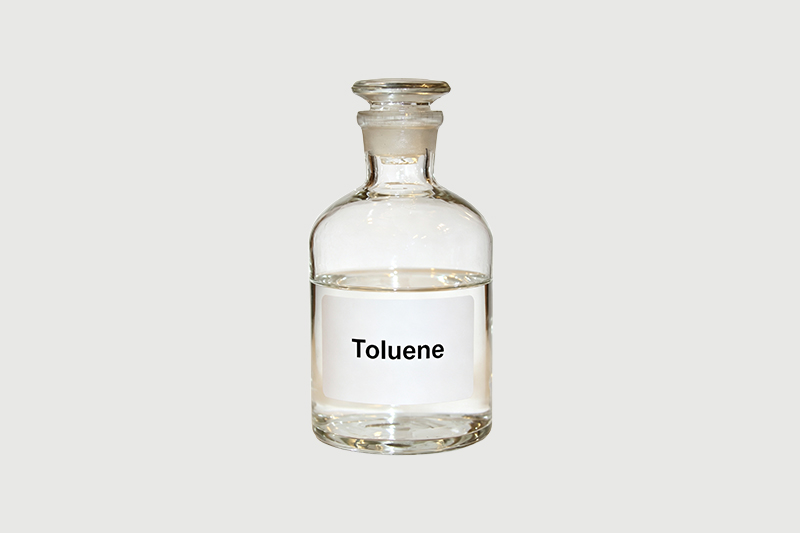
Toluene is a major basic chemical raw material; it is widely used as an industrial solvent and as a chemical intermediate for further processing, and also serves as a blending component for gasoline.
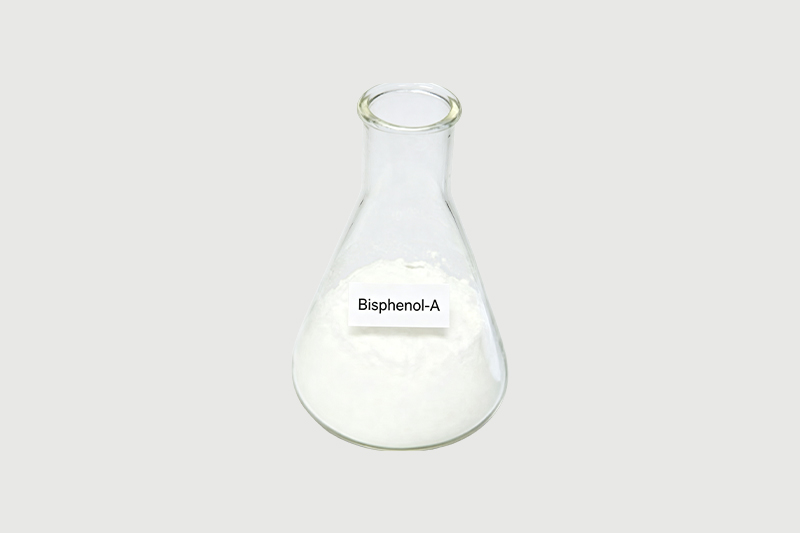
Bisphenol A is one of the world’s important bulk organic chemical monomers, mainly used for synthesizing high-performance polymer materials.
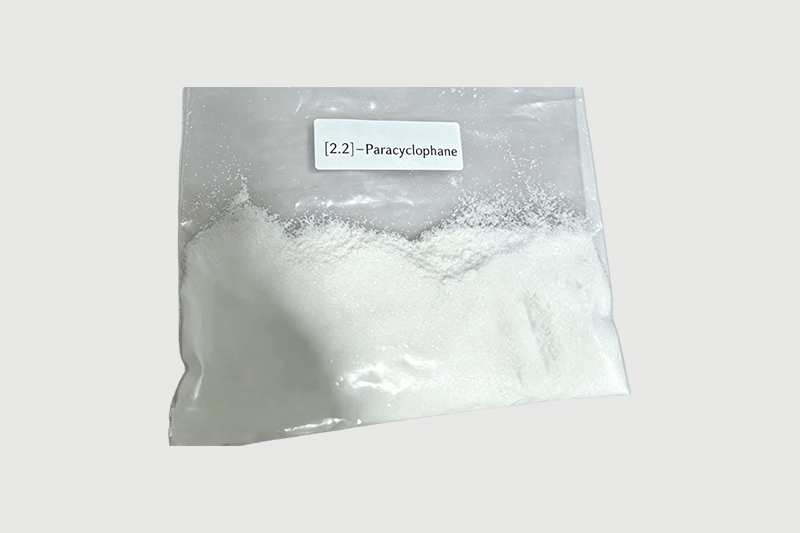
It is a solid crystalline powder at room temperature. Featuring a unique cage-like double benzene ring three-dimensional structure, it serves as a key monomer for high-end special coating industry.
It usually refers to a mixture of three isomers: ortho-xylene, meta-xylene and para-xylene (commonly available commercially), and the industrial product is often called mixed xylenes.