
Hualong District, Puyang City, Henan Province, China
+8618864448123
angel@dingshengchemical.com
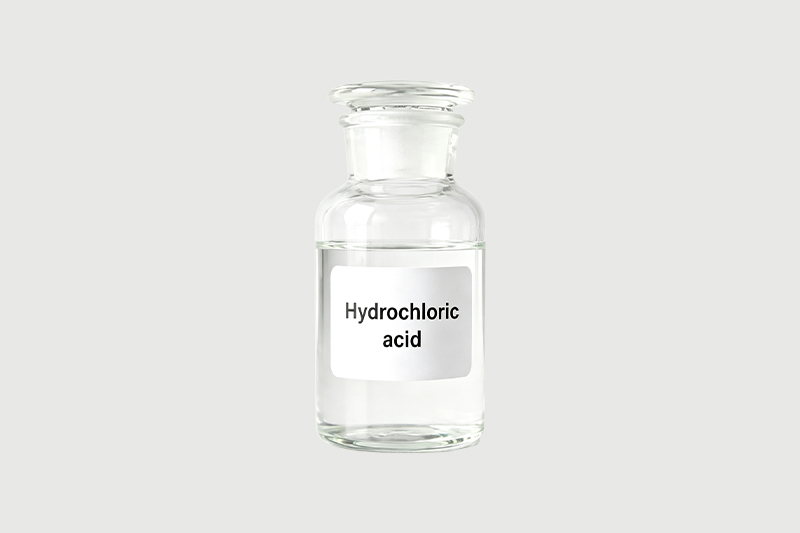
Hydrochloric acid, internationally standardized as chemical reagent hydrochloric acid, systematic name hydrogen chloride acid. Chemical Reagent-Hydrochloric acid, CAS No.: 7647-01-0, molecular formula HCl. Hydrochloric acid is an aqueous solution of hydrogen chloride. As an important strong inorganic acid, it has a wide range of applications in industry, laboratories and daily life.
Strong Acidity: It is completely ionized and has general properties of acids (reacts with metals to release hydrogen, removes rust by reacting with metal oxides, neutralizes with alkalis, and generates bubbles when reacting with carbonates).
Properties of Cl⁻:
1. Precipitation Identification: It forms white silver chloride (AgCl) precipitate insoluble in dilute nitric acid when reacting with silver nitrate.
2. Reducibility: Cl⁻ can be oxidized. It is commonly used in laboratories to prepare chlorine gas by heating with manganese dioxide.
3. Coordination Property: Cl⁻ in concentrated hydrochloric acid can complex metal ions, which is the key reason why aqua regia (mixed with concentrated nitric acid) can dissolve gold and platinum.
Side Chain Halogenation: Under light or heating conditions, free radical substitution reaction occurs with halogens to produce benzyl chloride (the product depends on the dosage of halogens, serving as an important intermediate for plasticizers and fragrances).
Incompatible Substances: Contact with oxidants, alkalis, active metals and cyanides is strictly prohibited.
Hydrochloric acid is one of the highest-volume chemicals produced worldwide. Its applications cover heavy industry as well as daily life, and are mainly divided into the following fields:
Steel and Metal Processing: One of its major industrial uses is pickling to remove rust and scale on steel surfaces. It is also used for aluminum etching, electroplating and metal surface treatment. It can be used as an additive for high-octane gasoline to improve anti-knock performance. However, due to its toxicity and environmental restrictions, its addition ratio is strictly limited in developed countries and some cities in China.
Chemical and Plastic Production: Serves as a core raw material. It is used to produce vinyl chloride, the precursor of PVC plastics; MDI/TDI for polyurethane foam; and various chlorides including ammonium chloride, zinc chloride and ferric chloride.
Laboratory and Analysis: Commonly used as standard solutions for acid-base titration. It also acts as a pH adjuster, catalyst for chemical synthesis and solvent for sample dissolution.
Water Treatment and Oilfield: Used to adjust the pH of swimming pool water and industrial circulating water, and regenerate ion exchange resins. In the petroleum industry, it is applied for acidizing treatment of oil and gas wells to dissolve rock formations and boost output.
Household Use and Cleaning: It is the active ingredient in household cleaners such as toilet cleaners and effectively dissolves limescale. In addition, hydrochloric acid is the main component of human gastric acid.
Food and Pharmaceuticals: In the food industry, it functions as an acidity regulator and processing aid for monosodium glutamate production, starch hydrolysis for high-fructose syrup and gelatin manufacturing. In pharmaceutical production, it is used for pH adjustment and controlling the solubility of active pharmaceutical ingredients.
Other Industries: Applied in leather processing, textile printing and dyeing, purification in sugar refining and the construction industry.
Environment and Warehouse: Store in a cool, dry and well-ventilated warehouse. The warehouse temperature shall not exceed 30℃, and relative humidity shall not exceed 85%. Containers and Operation: Containers must be kept sealed. Explosion-proof lighting and ventilation facilities shall be adopted in the warehouse, and tools prone to sparking are prohibited. Classified Storage (No Mixed Storage): Store separately from alkalis, amines, alkali metals, oxidants, flammable / combustible materials, metal powders, halogens and edible chemicals. Emergency Preparedness and Inspection: Leakage emergency equipment and containment materials shall be available in the storage area. Managers shall carry out regular inspections, and the spacing between storage tanks shall be no less than 1 meter.
Qualification and Packaging: Entrust transportation to enterprises with hazardous goods transportation qualifications. Strictly inspect the integrity and sealing of containers before shipment to prevent leakage and collapse. Prohibition of Mixed Shipment: Mixed loading and transportation with oxidants, acids, alkalis, amines, alkali metals, flammables and edible chemicals are strictly prohibited. Vehicles and Routes: Tank trucks shall be fitted with grounding chains for static elimination, and flame arrestors must be installed on exhaust pipes. Drive along designated routes and avoid residential and densely populated areas. Special Protection: Transportation is recommended in the morning and evening in summer. Protect goods from strong sunlight and rain. For railway transport, only self-owned steel tank cars of enterprises are permitted and rolling without control is forbidden. Bulk transportation by wooden or cement barges is prohibited.
Get a customized quote for your specific requirements. Our technical team will respond within 24 hours with pricing, availability, and formulation options.
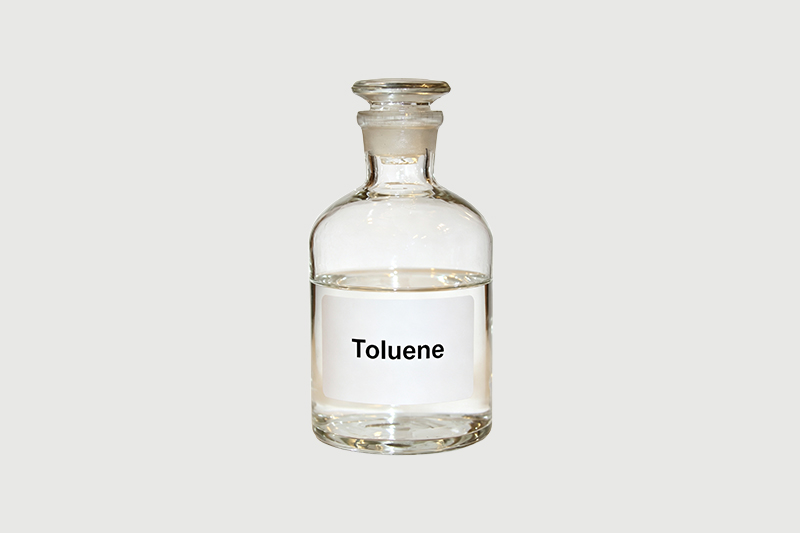
Toluene is a major basic chemical raw material; it is widely used as an industrial solvent and as a chemical intermediate for further processing, and also serves as a blending component for gasoline.
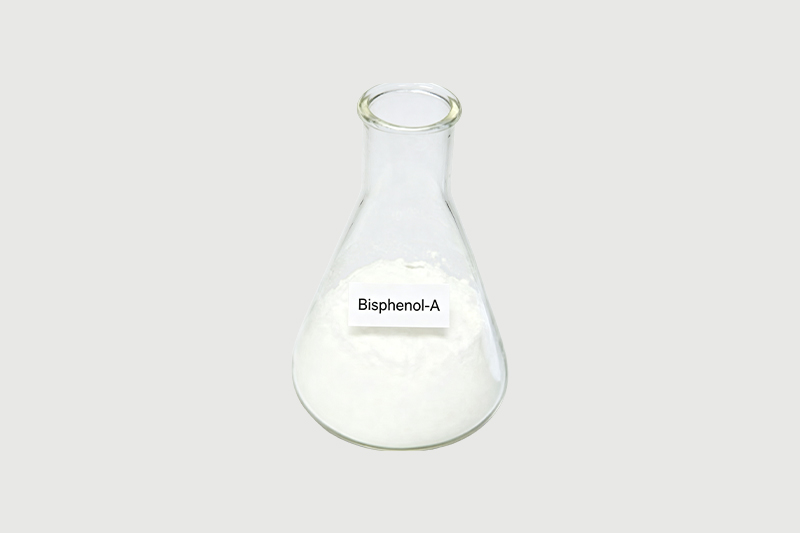
Bisphenol A is one of the world’s important bulk organic chemical monomers, mainly used for synthesizing high-performance polymer materials.
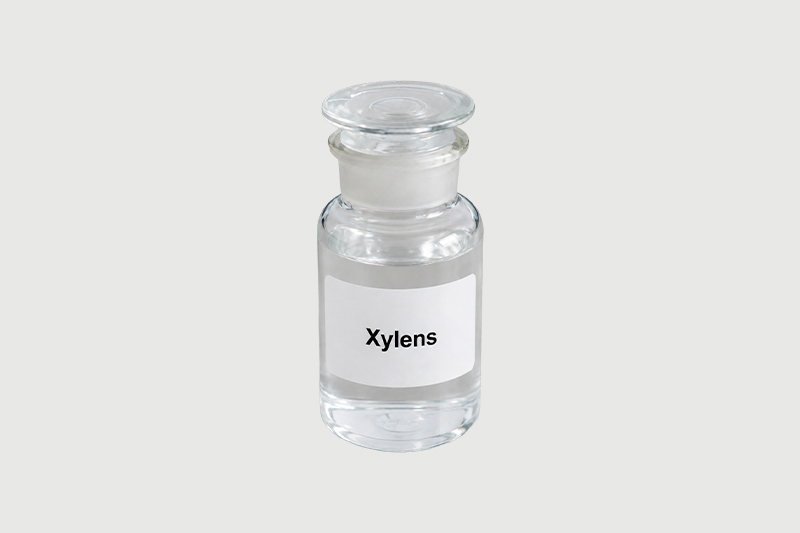
It usually refers to a mixture of three isomers: ortho-xylene, meta-xylene and para-xylene (commonly available commercially), and the industrial product is often called mixed xylenes.
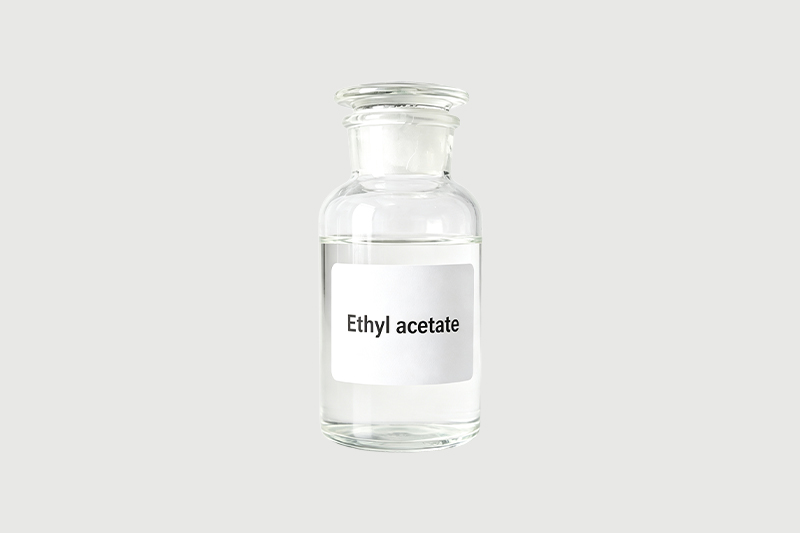
It is an ester organic compound containing the -COOR- functional group (with a double bond between carbon and oxygen), and is a widely used organic compound.