
Hualong District, Puyang City, Henan Province, China
+8618864448123
angel@dingshengchemical.com
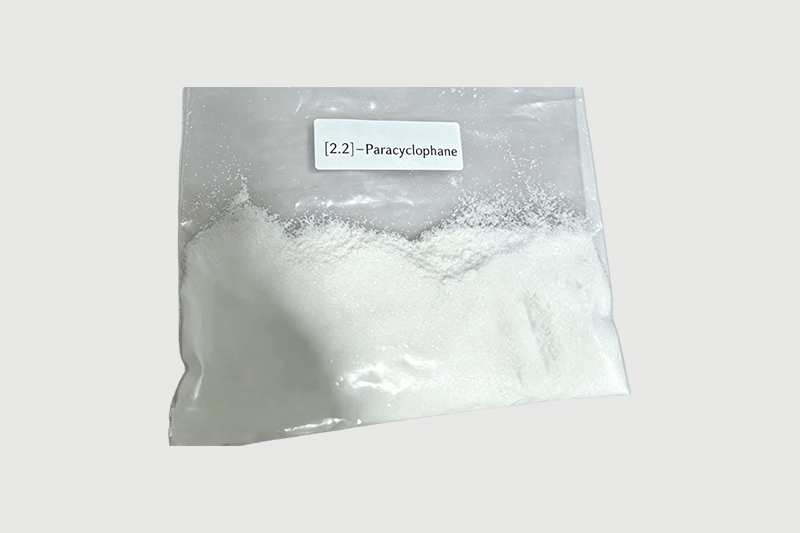
Paraxylene dimer, systematic chemical name [2.2]-paracyclophane, CAS No.: 1633-22-3, molecular formula C₁₆H₁₆, belongs to cyclophane organic cyclic compounds. Its molecule is a cyclic dimer formed by two para-xylene units. It is a solid crystalline powder at room temperature. Featuring a unique cage-like double benzene ring three-dimensional structure, it serves as a key monomer for high-end special coating industry.
1. Structural Stability: It has a unique cage-like double benzene ring structure with a rigid carbon skeleton. It resists acids, alkalis, most organic solvents and salt spray at room temperature. It is insoluble in water, alcohols and oils, and will not swell or dissolve in conventional solvents.
2. Chemical Inertness: It has no active functional groups and hardly undergoes chemical reactions at room temperature, so it will not oxidize and deteriorate during long-term storage. Only under high temperature and vacuum conditions will the molecular bridge bonds break to generate active free radicals.
3. Insulation Property: It has very low molecular polarity. When made into poly(p-xylylene) (Parylene) film, it features stable dielectric constant, high dielectric strength and low leakage rate.
4. Biological Inertness: No toxic monomer precipitation and excellent biocompatibility.
Incompatible Substances: Contact or co-storage with strong oxidants such as peroxides, permanganates, dichromates and concentrated nitric acid is strictly prohibited.
Paraxylene dimer has a very wide range of applications. It was originally used as a raw material for high-performance coatings and has evolved into a core material of great value in cutting-edge fields including catalysis, optoelectronics, biomedicine and so on.
Parylene Coating Precursor (Core Application): It forms high-quality pinhole-free and uniform-thickness protective layers via CVD technology. Widely used as passivation layers and dielectric layers in microelectronics and semiconductors; protective and lubricating coatings for MEMS; waterproof and moisture-proof treatment for printed circuit boards; and biocompatible coatings for medical devices.
Organic Synthetic Intermediate: Serves as the basic raw material for synthesizing chiral ligands, applied in the synthesis of fine chemicals such as asymmetric catalysis.
Optoelectronic Materials Field: Used as functional units to construct organic semiconductors, OLED fluorescent materials and other products. Its unique spatially conjugated structure shows great potential in carrier transmission.
Advanced Functional Materials: Used as pore-forming agents to prepare low-density foam materials, and for constructing new materials such as metal-organic frameworks (MOFs).
Other Professional Fields: Used as isolation and reinforcement materials for cultural relic protection; as research reagents in molecular biology and pharmacological studies, as well as for related drug development and biosensors.
Cultural Relics and Specimens: Protect paper-based and fragile cultural relics and specimens from water vapor and oxygen for reinforcement and preservation.
Mechanism of Action (Principle of Film Formation by Vacuum Vapor Deposition)
The complete process consists of three steps: sublimation → pyrolysis → deposition polymerization, which represents the core application principle of this material.
Packaging Specifications: Standard 25kg fiber drum (inner PE bag + aluminum foil sealing), 5kg small packaging is available. Storage Conditions: Store in sealed containers in a cool, dry and well-ventilated area, keep away from heat sources and strong oxidants. Shelf Life: 24 months under normal storage conditions.
Paraxylene dimer is generally classified as non-dangerous goods during transit with relatively simple transportation requirements. It belongs to conventional shipment. Keep away from moisture, sunlight and prevent package damage.
Get a customized quote for your specific requirements. Our technical team will respond within 24 hours with pricing, availability, and formulation options.
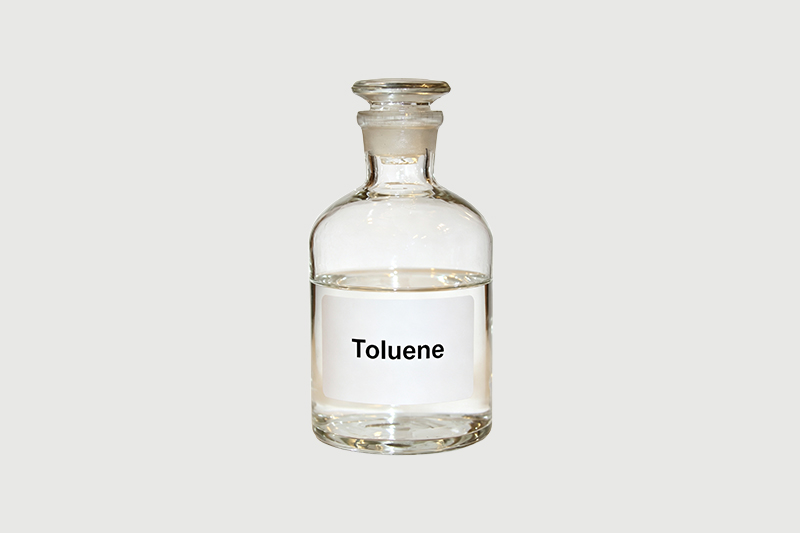
Toluene is a major basic chemical raw material; it is widely used as an industrial solvent and as a chemical intermediate for further processing, and also serves as a blending component for gasoline.
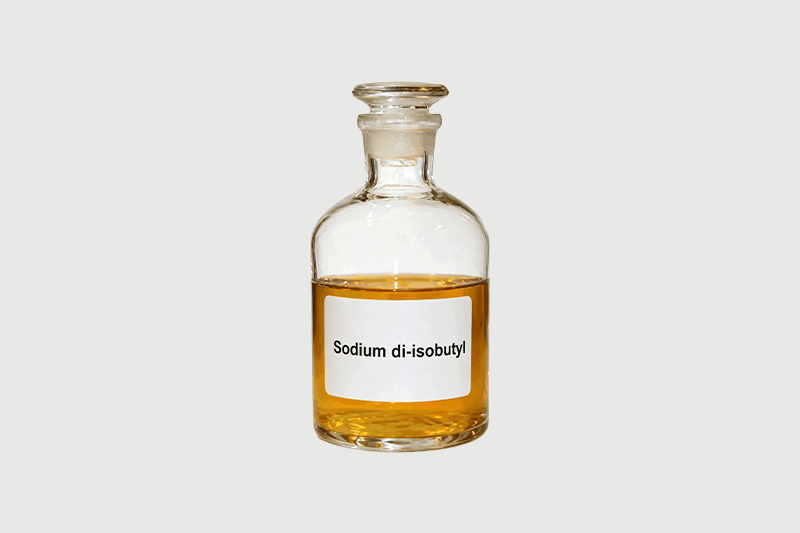
Sodium isobutyl dithiophosphate is a highly efficient collector widely used in the flotation of non-ferrous and precious metal sulfide ores.
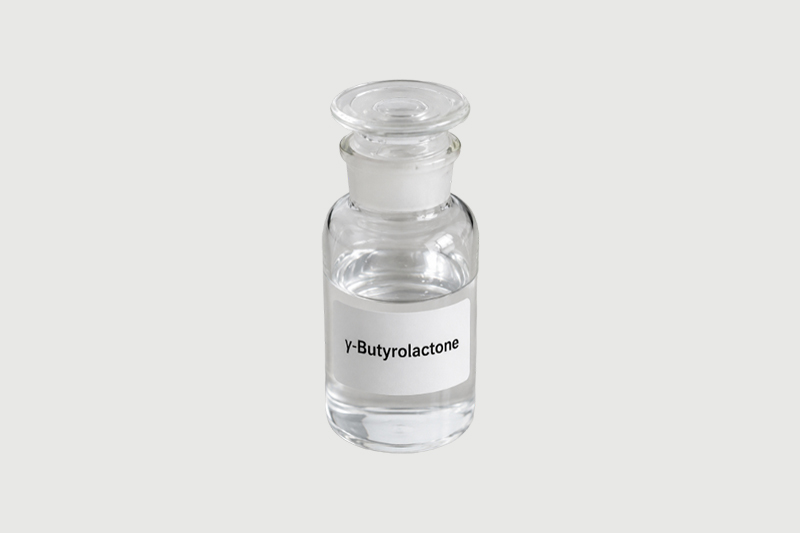
It is subject to strict control because it can be converted into gamma-hydroxybutyric acid (GHB) in the human body.
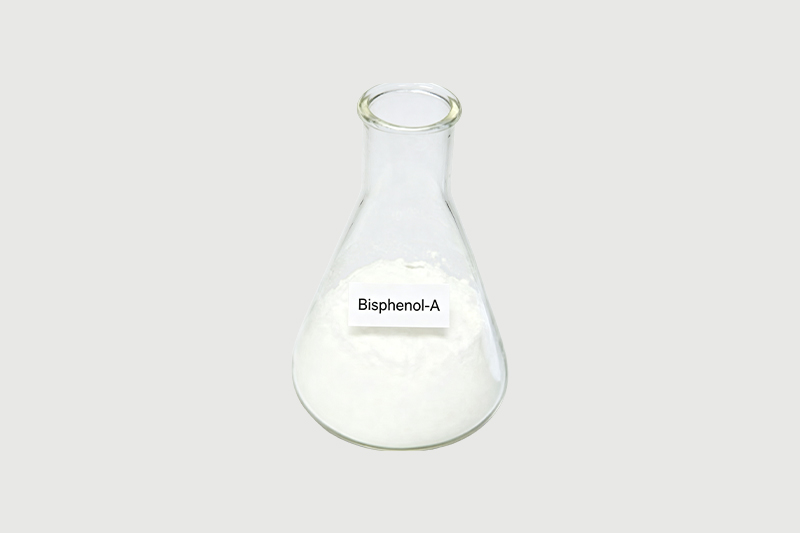
Bisphenol A is one of the world’s important bulk organic chemical monomers, mainly used for synthesizing high-performance polymer materials.